Single-family homes
For sale–
Median asking–
Lowest asking–


Three dredged islands in the middle of Biscayne Bay, between Miami and Miami Beach, mid-century condos alongside a wave of new towers
Photo: Averette, Wikimedia Commons (CC BY 3.0)
North Bay Village didn’t exist before 1940 — most of what’s now the neighborhood was open water in Biscayne Bay. Dredging and bulkheading created North Bay Island first, with the first homes built and occupied by 1941; Harbor Island and Treasure Island followed in the mid-1940s. The only dry land before that was a five-acre spot called Broadcast Key, home to pioneer radio station WIOD. In its early decades the Village was a genuine nightlife destination, with restaurants and clubs that drew stars like Frank Sinatra and Judy Garland during the winter season.
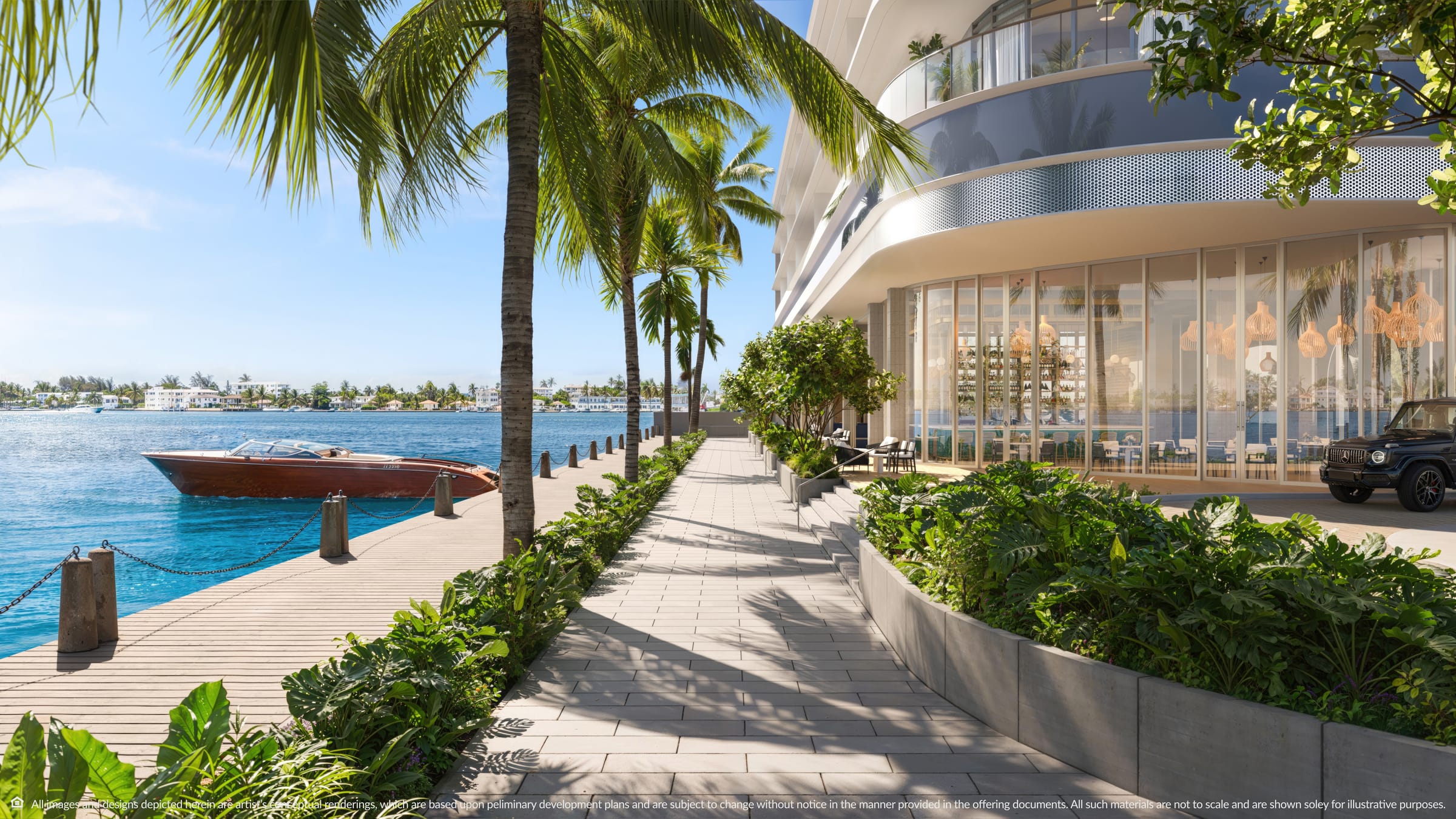
That history left a distinctive built environment: small, low-rise condo buildings from the 1960s and 70s line the causeway on Harbor and Treasure Islands, many still owned by long-time residents, alongside single-family homes with private docks on Treasure Island and North Bay Island. What’s changing now is the arrival of real new construction — towers like Shoma Bay, Pagani Residences Miami, and Continuum Club & Residences are the neighborhood’s first wave of modern luxury product, betting that North Bay Village’s central, water-wrapped location between Miami Beach and the mainland is due for the kind of re-rating Edgewater and Downtown Miami went through a decade earlier. The market snapshot above updates automatically from live MLS data across both the older resale stock and, once units close, the new towers.
Houses and condos are different markets here. Compare them, then open the search for either.
New-construction projects not yet delivered. We represent buyers exclusively on pre-construction purchases -- the developer pays our commission, not you.


No -- North Bay Village is its own separately incorporated municipality, distinct from both the City of Miami and Miami Beach, occupying its own three islands in Biscayne Bay between them.
Harbor Island, North Bay Island, and Treasure Island -- all created by dredging and filling Biscayne Bay in the 1940s. Harbor Island is almost entirely multi-family condo buildings; Treasure Island is a genuine mix of single-family homes and condos; North Bay Island is primarily single-family.
Several towers are underway along the causeway corridor, including Shoma Bay, Pagani Residences Miami, and Continuum Club & Residences -- part of a broader wave of new development bringing the neighborhood's first modern luxury product. Pricing on these isn't published here; contact us for current developer pricing, since pre-construction pricing changes as each project moves through its sales cycle.
Months of inventory (3-month pace)
Months of inventory = homes for sale today (status Active) divided by the average number of homes sold per month over the last 3 months. Other sources may use a different method.
Live MLS data. Full breakdown: market reports.